Fragmentation
Product, supplier, marketplace, compliance and commercial decisions create risk when managed as separate workstreams.
 Request a Proposal
Case study / 01
Owned & operated ventureA live fishing-tackle brand used as the clearest expression of the BRANTSI model: product, procurement, marketplace operations, compliance coordination, creative and commercial growth working as one system.
 Product system
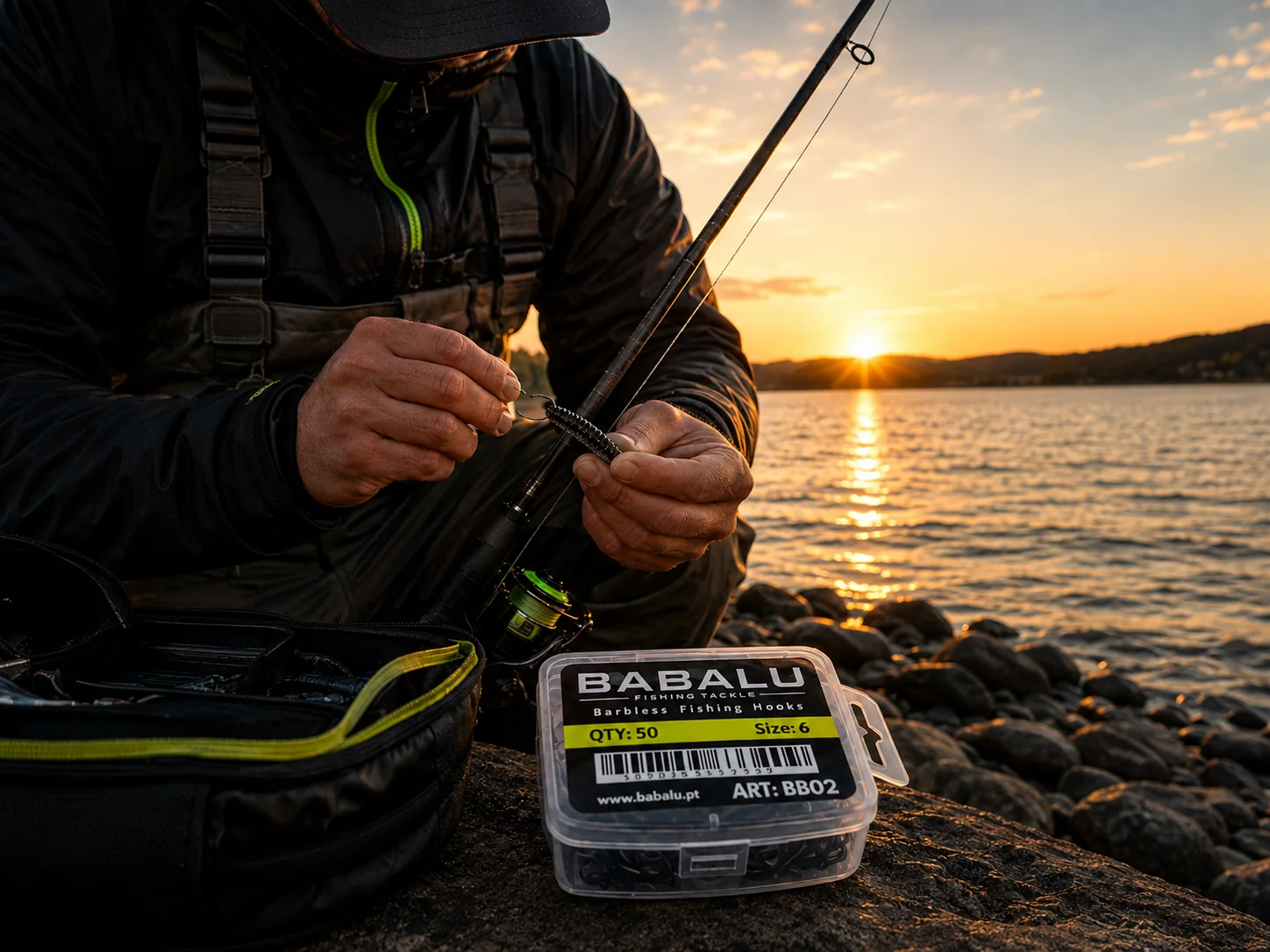 In use
 Packaging
Operating footprint
Current BABALU operating scope across multiple country marketplaces.
Europe and North America connected through one operating model.
Sponsored Products, Sponsored Brands and video advertising.
From product and sourcing through marketplace execution and commercial control.
Shopify & direct ecommerce
BABALU's Shopify work includes custom customer-account functionality designed around recurring ecommerce operations rather than a standard theme-only implementation.
The operating context
BABALU is not presented as a theoretical brand exercise. It is an active operating environment in which product specifications, supplier decisions, marketplace execution, creative systems, regulatory requirements, inventory and commercial performance affect one another. The case demonstrates why BRANTSI treats those layers as connected decisions.
Operating layers
Product architecture, technical specification, range logic, packaging, positioning and customer-facing product systems are developed together rather than sequentially.
Supplier sourcing, RFQs, sample evaluation, commercial comparison, purchasing, freight and inventory decisions are assessed against the requirements of the final offer.
Catalogue structure, product detail pages, marketplace assets, localisation and recurring account operations are treated as part of the product's operating infrastructure.
Regulatory and marketplace requirements are coordinated alongside expansion, packaging and account operations, with specialist professional input used where regulated advice is required.
Product imagery, A+ content, video, size guides and technical communication are developed to improve clarity, trust and conversion without separating creative work from the product itself.
Advertising, pricing, unit economics, margin, catalogue performance and operating priorities are reviewed together so growth decisions remain commercially grounded.
Operating narrative
Product, supplier, marketplace, compliance and commercial decisions create risk when managed as separate workstreams.
Specifications, range logic, supplier evaluation, packaging and product communication are developed around the final market offer.
Catalogue, inventory, logistics, compliance workflows and marketplace execution are managed as one operating cadence.
Advertising, content, pricing and expansion decisions are reviewed against conversion, margin, stock and operating capacity.
The result is a repeatable operating system in which market signals feed back into product, content and commercial priorities.
What this demonstrates
Brand, product and operations are managed as connected systems.
Decisions continue beyond strategy into sourcing, marketplaces and recurring operations.
Commercial and operational signals feed back into product, content and growth priorities.
This is an owned and operated case study. It provides direct operating evidence of the scope described above. Confidential supplier, financial and commercially sensitive information is intentionally not published. The evidence shown here is based on owned operating scope and documented execution.
Connected capabilities